Enneagram Lessons: What We’ve Learned about Ourselves
August 13, 2026
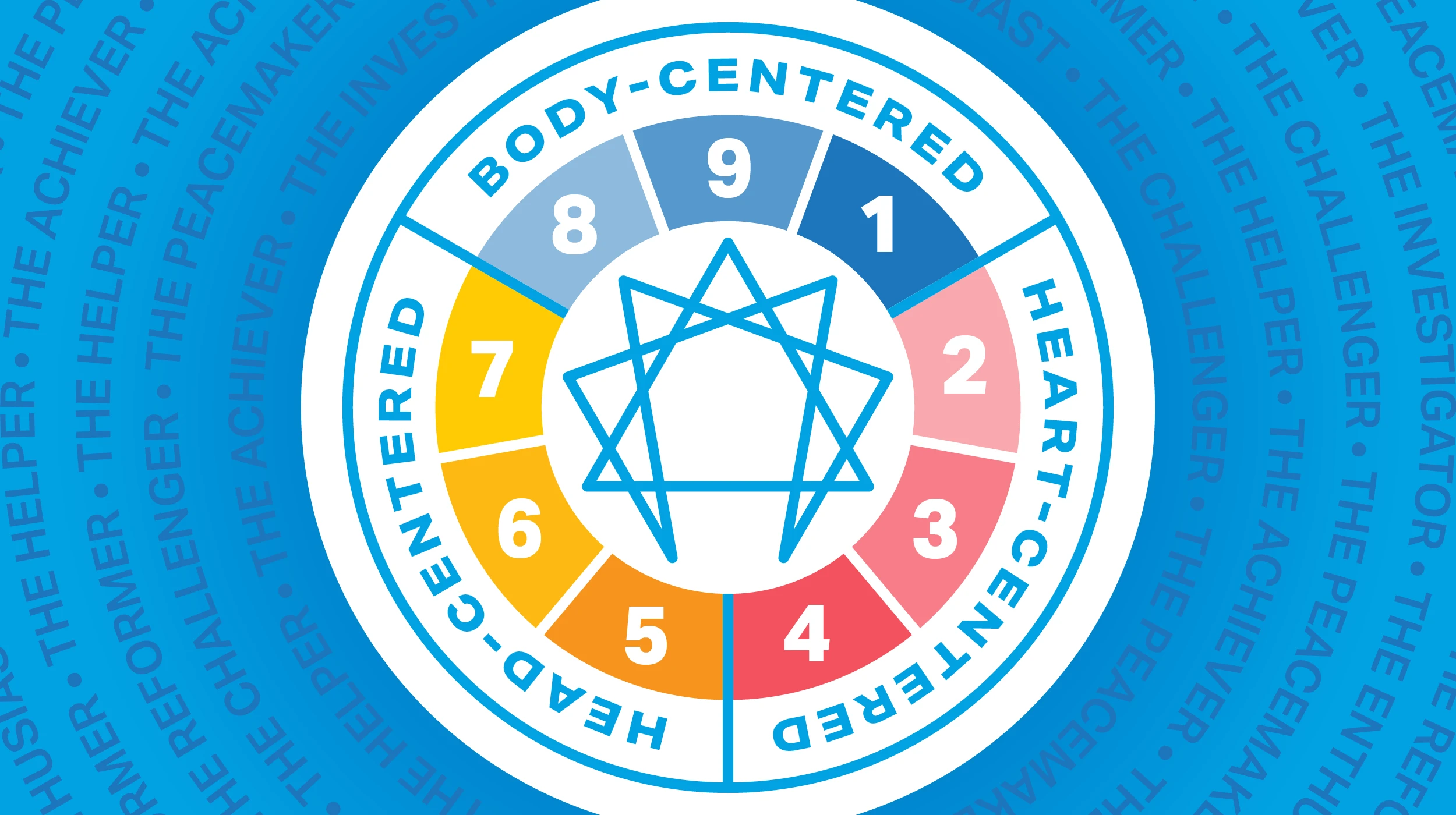
This year, we’ve partnered with David Bell of Enneagram Insight for a series of quarterly sessions centered around the Enneagram—a personality framework designed to increase self-awareness by helping people understand the motivations and behaviors that influence how they think, communicate and make decisions. As David told us in our first session, “The Enneagram brings self-awareness to prevent self-sabotage.” The goal is to better understand ourselves and build a culture at OLG where everyone can do their best work.
Throughout these sessions, we’ve explored much more than our Enneagram Types. We’ve learned about Centers of Intelligence, Time Orientations, Subtypes and the different ways each of us approaches work, relationships, communication and problem-solving.
We asked the OLG team to reflect on what they’ve learned about their work selves—their strengths, challenges and opportunities for growth. Here are the insights that have stuck with us.
What is the greatest strength your Enneagram Type brings to your role at OLG?
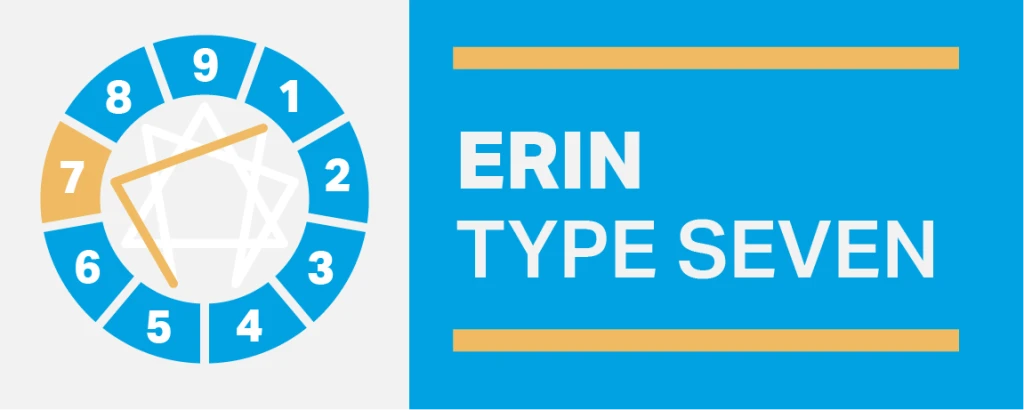
Erin (Type Seven): Positivity! I naturally look for the silver lining, which I think is an asset when we need to refocus on project goals, client missions and overall team morale. The optimism in my role is grounded in the trust and expertise we have as a team. The way we embrace challenges and are committed to finding solutions gives me confidence to lead with positivity.
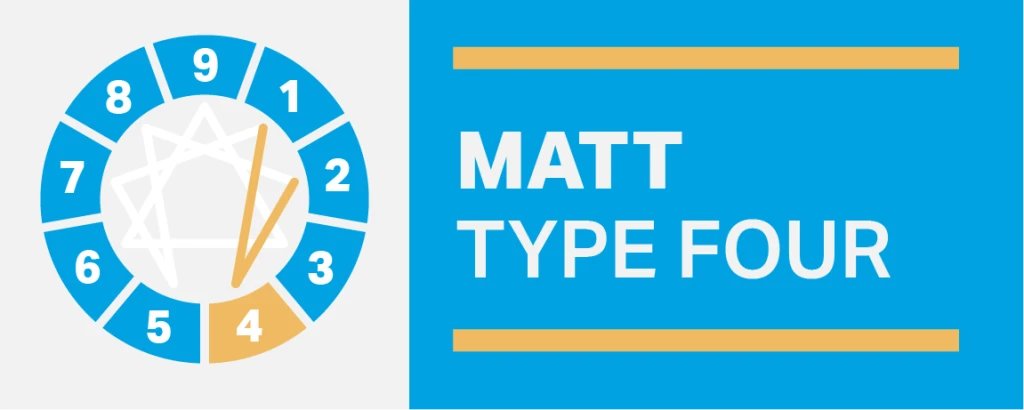
Matt (Type Four): I think that I lead by feel and authenticity. I’m constantly measuring things by meaning. Things need to feel right and feel true. I think that’s beneficial for Brand Soul, but I’ve also learned that different Enneagram types may see things differently—and I’ve been growing and adjusting my approach accordingly. It’s been a powerful journey.
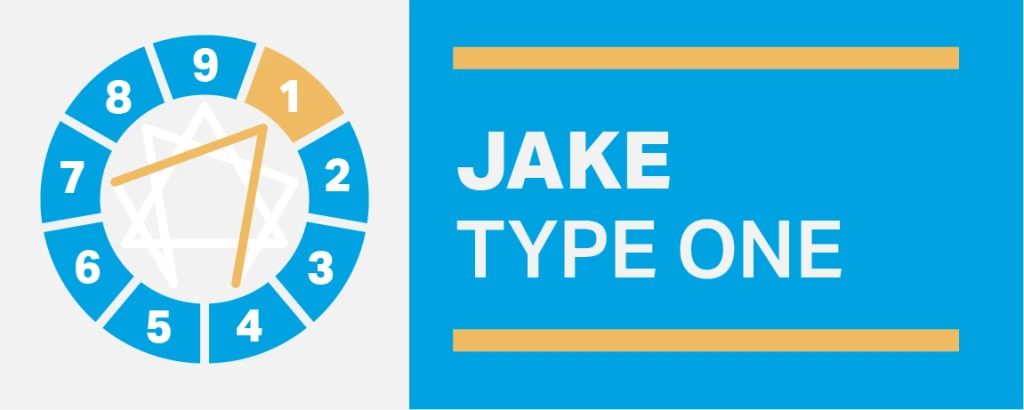
Jake (Type One): Type Ones have a powerful inner critic, high standards, and are detail-oriented and objective. I think these traits help me in my role as a senior art director. My ability to self-regulate or internally critique my work helps to move things along in a fast-paced environment by determining a path and seeing it through.
What growth area are you currently working on as a result of better understanding your Enneagram Type?
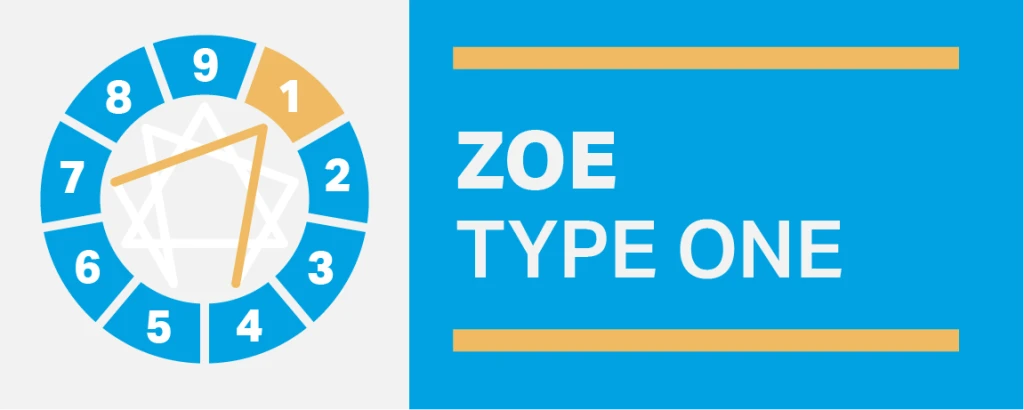
Zoe (Type One): My biggest growth area is learning to embrace flexibility and leaning into “going with the flow” when unexpected changes arise. The creative and marketing industry is inherently fast-paced and unpredictable. I am actively working on holding plans more loosely, trusting the creative process and viewing sudden pivots as opportunities for spontaneous problem-solving.
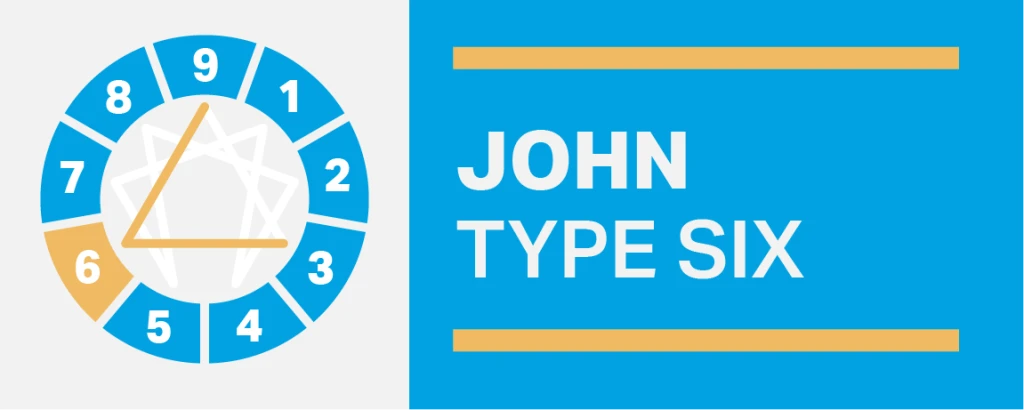
John (Type Six): Type Sixes are also known as “The Questioner.” Sixes are reliable and loyal but can also struggle to make decisions and tend to overthink things. As I’ve learned more about my type, I’m working on trusting my own judgment more and making confident decisions without always seeking additional reassurance (when applicable).
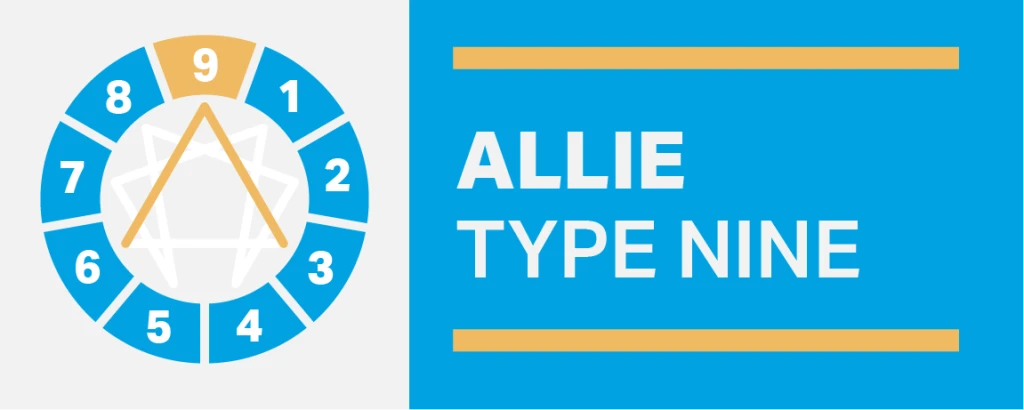
Allie (Type Nine): I’m working on being more decisive and confident. Nines have a tendency not to make choices for fear of creating tension or conflict. So, gaining confidence that I have a solution or decision that could be more positive is potentially worth the risk of conflict.
How does your dominant Center of Intelligence influence how you communicate with co-workers? How are you working toward balancing your three Centers at work?
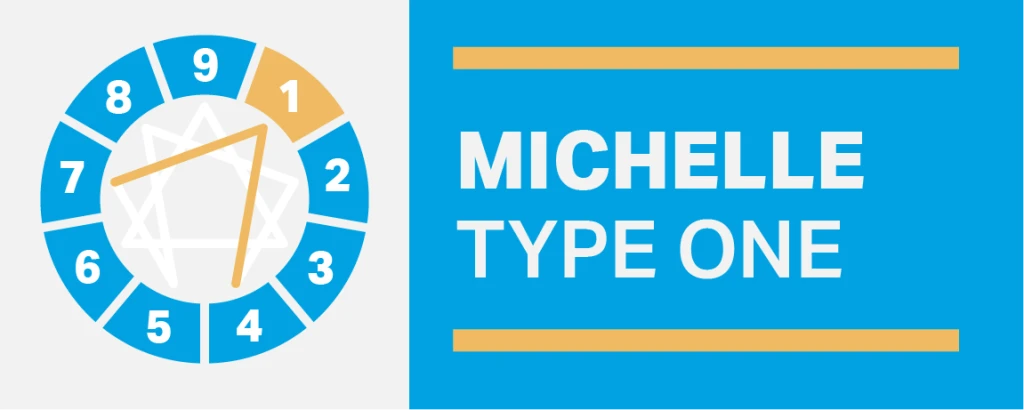
Michelle (Type One): I fall in the Body or “gut” Center of Intelligence. I feel things within my body, and my interactions with my co-workers are real. When those around me are stressed, I find I manage my own emotions by holding back and absorbing the tension in my body. Holding these feelings in can make it hard for me to relax or allow myself to experience the fun in what we do each day. Pushing myself to lean into the “heart” or “head” Center of Intelligence helps me feel more balanced and release the feelings I hold in my body.
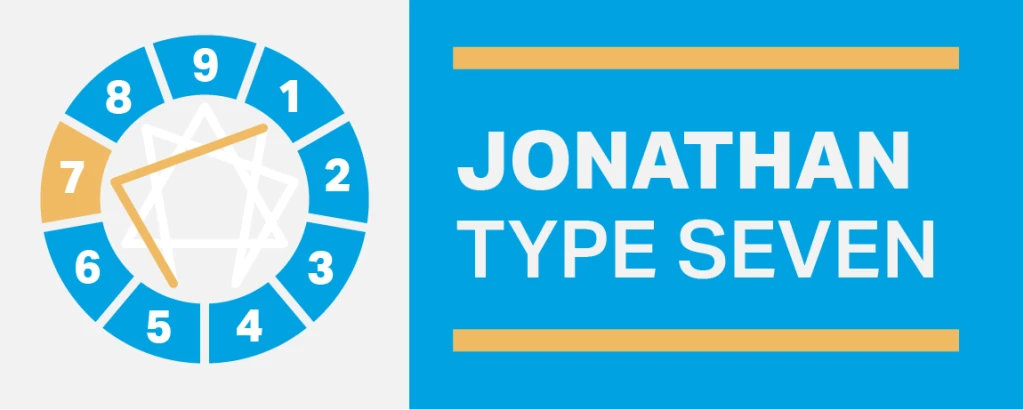
Jonathan (Type Seven): My dominant Center of Intelligence is the Head or “thinking” center. I am good at imagining different ways of doing things with different possibilities and outcomes. Something I’m working on is trying to notice and embrace negative or unpleasant feelings, which I usually try to avoid as a Type Seven. I’m also working on being more aware that others approach situations from a more emotional stance than I might.
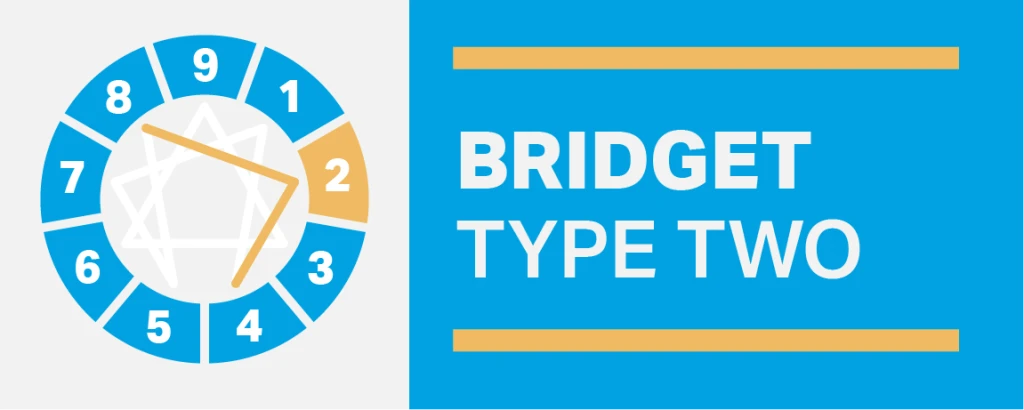
Bridget (Type Two): My dominant Center of Intelligence is the Heart or “feeling” center. We are all complex humans, and I like infusing this “heart” wherever I can, whether by bringing some cheer to our interactions or by using an empathetic lens to others’ perspectives. One area of growth I’m focusing on is preventing others’ feelings from delaying action. There’s beauty in the balance when you can consider everyone’s feelings and still keep the train moving!
When does your dominant Time Orientation (past, present or future) become a blind spot, and how are you addressing your repressed Orientation?
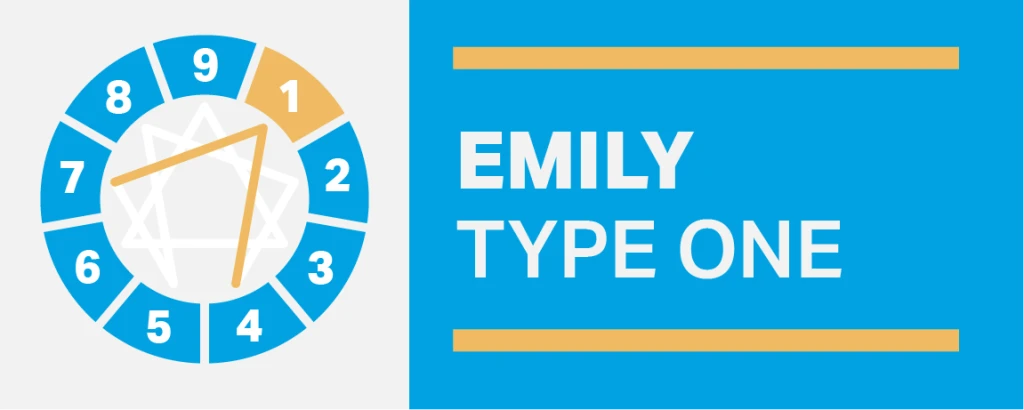
Emily (Type One): I’m present-oriented, which helps me focus on the task at hand and put all my energy and mental capacity into completing the project I’m assigned. As David said in one of our sessions, “Build the muscle that’s being ignored.” So, I’m working on my repressed future orientation. I’m working on planning ahead and thinking strategically about upcoming projects and what I can do in the present to set myself up for future success.
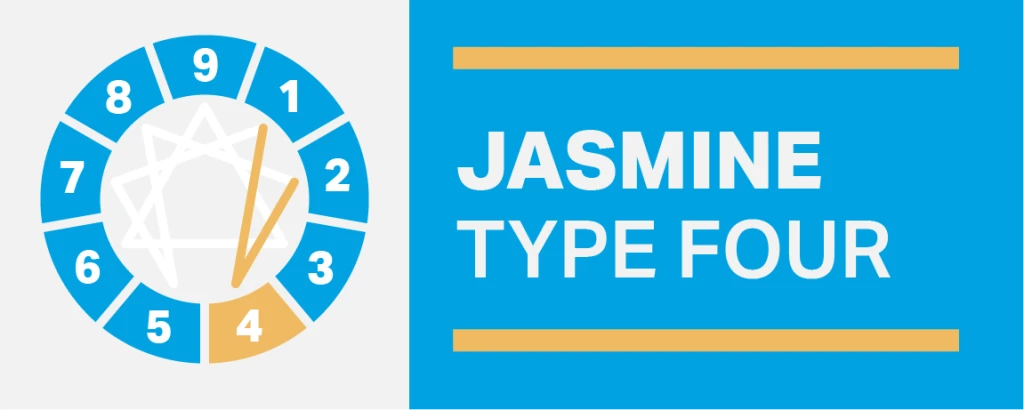
Jasmine (Type Four): Being past-oriented, drawing on past successes helps me build on proven strategies rather than reinventing the wheel. However, I can fall into the trap of expecting past methods to yield the same results today. I’m balancing this by shifting my focus to the present—challenging the “this is how it’s always been done” mindset so I can adapt flexibly to current needs.
One of the biggest takeaways from this experience is that self-awareness is a practice. The Enneagram hasn’t given us all the answers, but it has given us the tools to ask better questions, have more productive conversations and approach tasks with more intentionality.
We’ll continue learning, reflecting and growing—together. Because creating the best place to work and call home isn’t a milestone to reach or a finish line to cross. It’s an ongoing commitment to the people who make One Lucky Guitar what it is.
Learn more about the Enneagram here.